Playbook snapping handles and constraints as visible, composable entities
Their move to make snapping a visible, editable propagator rather than magic-under-the-hood is a direct model for how you could expose constraints in your own tool UIs instead of hardcoding them.
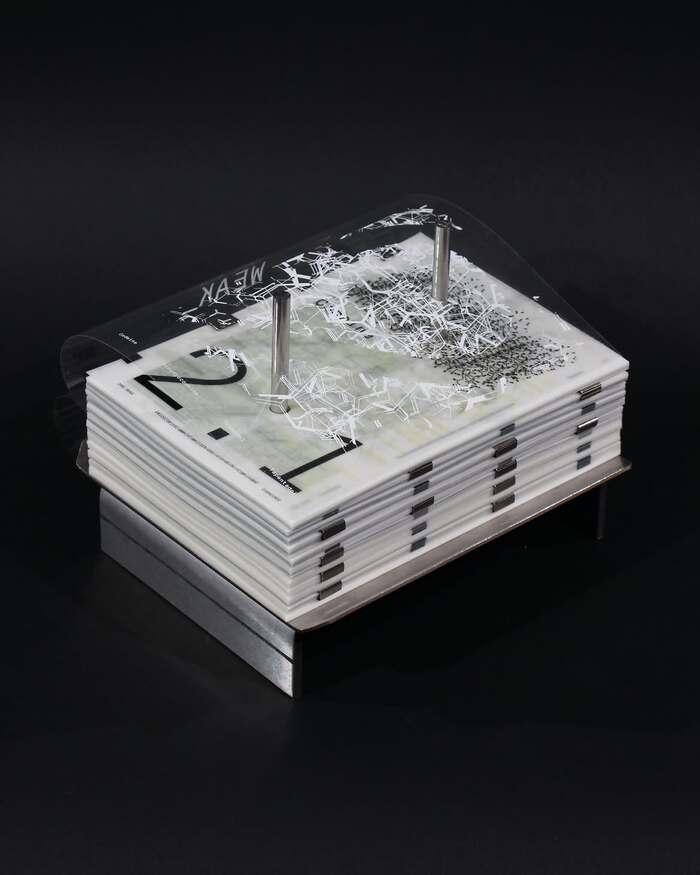
Analgesic Systems student project visualizing pharmacological hierarchy as design system
A design system that grows out of content logic (potency tiers dictating paper weight and typeface) is the sharpest version of the 'constraint as concept' idea you keep circling back to.

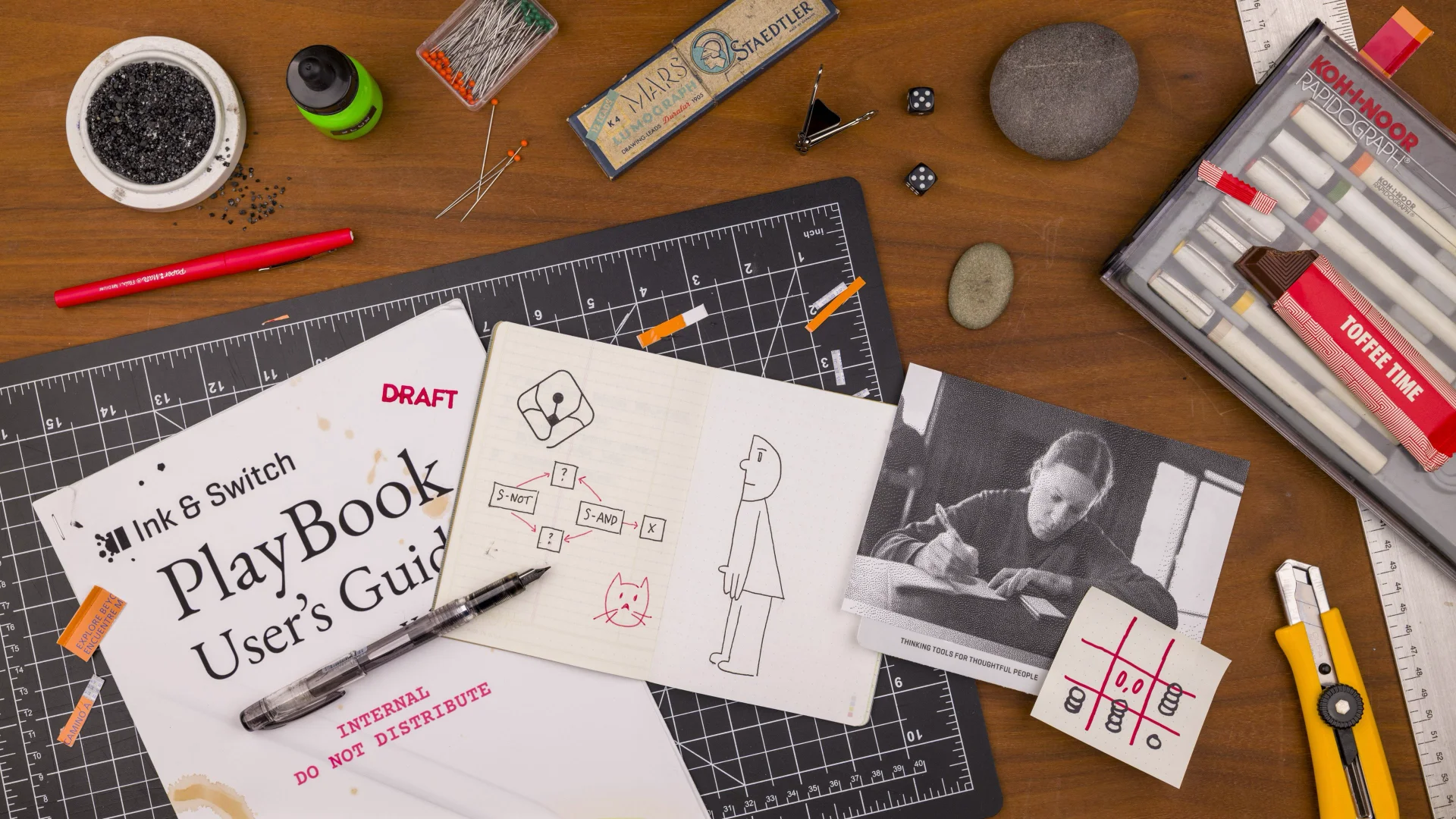
Ink & Switch Playbook tool library interactions and stylus-first menu affordances
The squeeze-to-open and radial-menu workarounds for stylus limits are concrete interaction patterns you could lift for any touch or pen-first surface you design.
SidebranchGit-based visual diffing without worktree touch
A zero-dependency branch-diffing tool is the kind of small, sharp utility worth adding to your own workflow for reviewing UI changes before they ship.

Delphi ships 100x daily on Vercel
Delphi's 10-person team shipping 100+ times a day on Vercel is a concrete data point for how far you can push infrastructure-light autonomy in a small independent practice.
Victor Hwang on Mater website evolution, not replacement

Hwang's choice to integrate a 100-page archive into an existing site rather than rebuild is a useful counter-argument next time a client pushes for a full redesign.
ElevenLabs brings artful expression into enterprise design systems
Flynn's account of building design systems for scale at ElevenLabs while keeping room for agent-native workflows is directly relevant to how you might structure systems work with clients like Booking or Rabobank.

Aspen Search minimal two-color interaction design
Aspen Search's two-color restraint with purposeful motion (logo, toggle, confetti) is a clean current reference for how little a Swiss-minimal site needs to feel alive.

Hunter Harvey makes typeface the art
Harvey's text-as-subject paintings are a reminder that typography can carry the whole joke, not just support one, worth keeping in mind for any editorial or brand work.
Playbook snapping handles and constraints as visible, composable entities
Their move to make snapping a visible, editable propagator rather than magic-under-the-hood is a direct model for how you could expose constraints in your own tool UIs instead of hardcoding them.
Open the Ink & Switch snapping note and compare its "handles visible on selection" approach to how you currently expose (or hide) constraints in your own Next.js/Supabase tools.