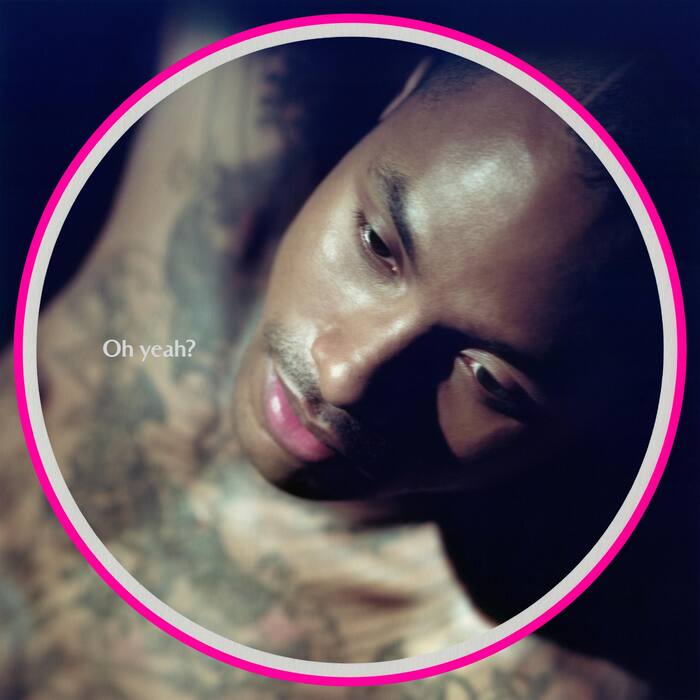
Steve Lacy Oh Yeah? album art and campaign
Assigning a distinct typeface per track is a system-level move you could steal for client work that needs semantic variety without losing cohesion.

Cords Cylindric UX1 charging unit turns power into visible design
Treating a power brick as an object worth seeing rather than hiding is the same instinct behind good interface craft: nothing is too utilitarian to deserve form.
Claude-generated everything, nothing improves
A concrete account of AI-first shipping without comprehension is worth sitting with before you push more of your own Next.js/Supabase work through Claude unreviewed.
NPM publishfrom subdirectories to ship without src/dist leaking
A one-line npm publish flag lets you keep your package's public surface as deliberate as your interfaces, hiding build mechanics from consumers.
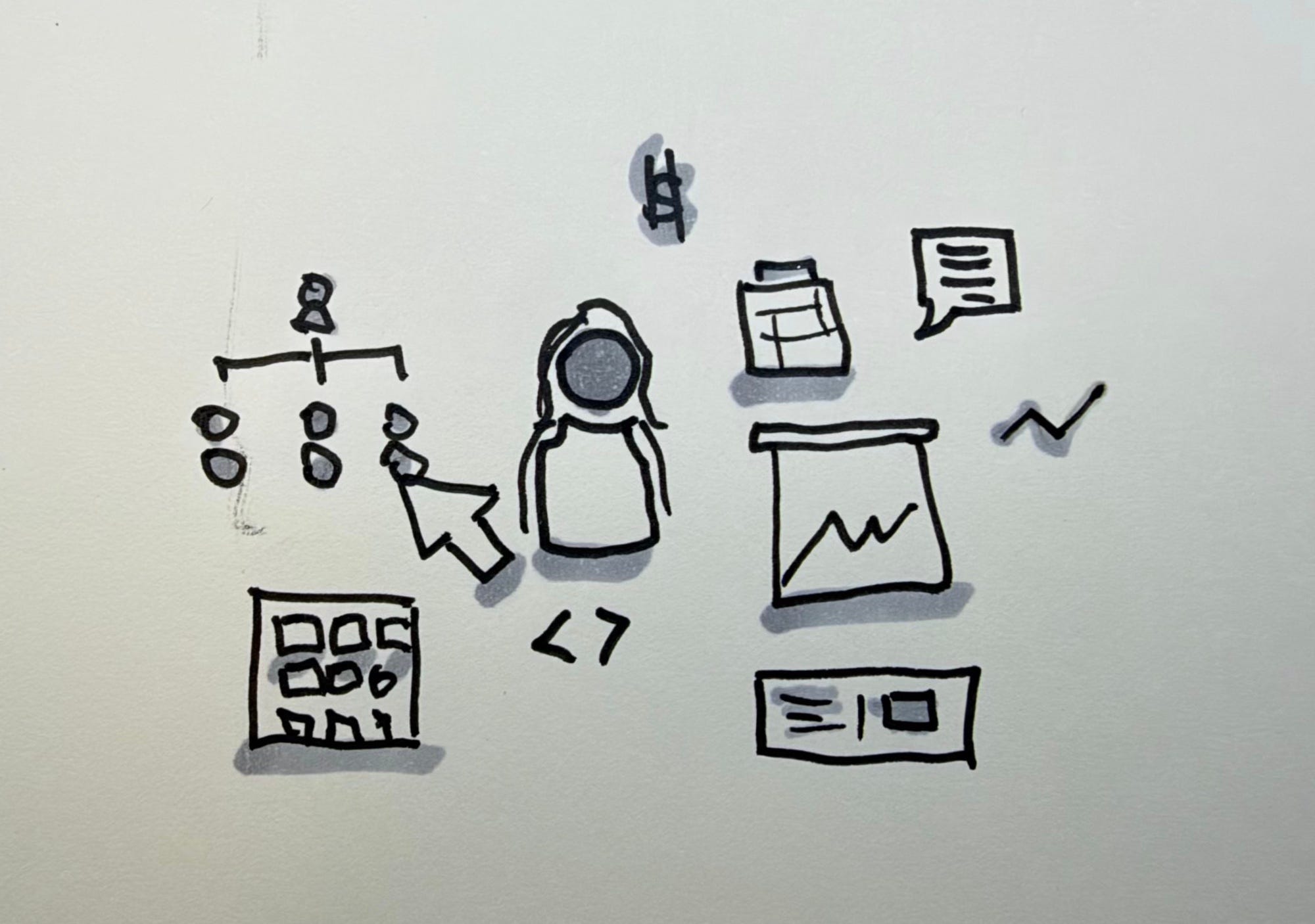
The Design GM Why designers should consider running the business
If you want more leverage inside client engagements, this argues the lever is P&L and trade-off ownership, not more design deliverables.
OpenAI's Jalapeño chip designed with LLMs in under 20 months

Nine months RTL-to-tape-out via self-generated LLM design work is a concrete capability marker, useful for calibrating how far AI-assisted engineering has actually moved.
Malta Hilton identity and advertising from the 1980s
Seeing a hotel identity extend from masterplan down to typography is a clean reference for how you argue design coherence across scales to clients like KLM or Rabobank.

Peter Sellis on building beloved products and why most PMs fail
Sellis's contrast between Snap and Discord PM practice gives you fresh language for the strategy conversations you already have with product teams.
Steve Lacy Oh Yeah? album art and campaign
Assigning a distinct typeface per track is a system-level move you could steal for client work that needs semantic variety without losing cohesion.
Read the voxium quote on Simon Willison's blog, then check one recent AI-generated chunk of your own code for whether you could explain it cold.