Code as source of truth in design engineering
This directly challenges the design-to-dev handoff workflow you rely on, suggesting the sync-and-rot cycle disappears once code is the reviewable artifact.
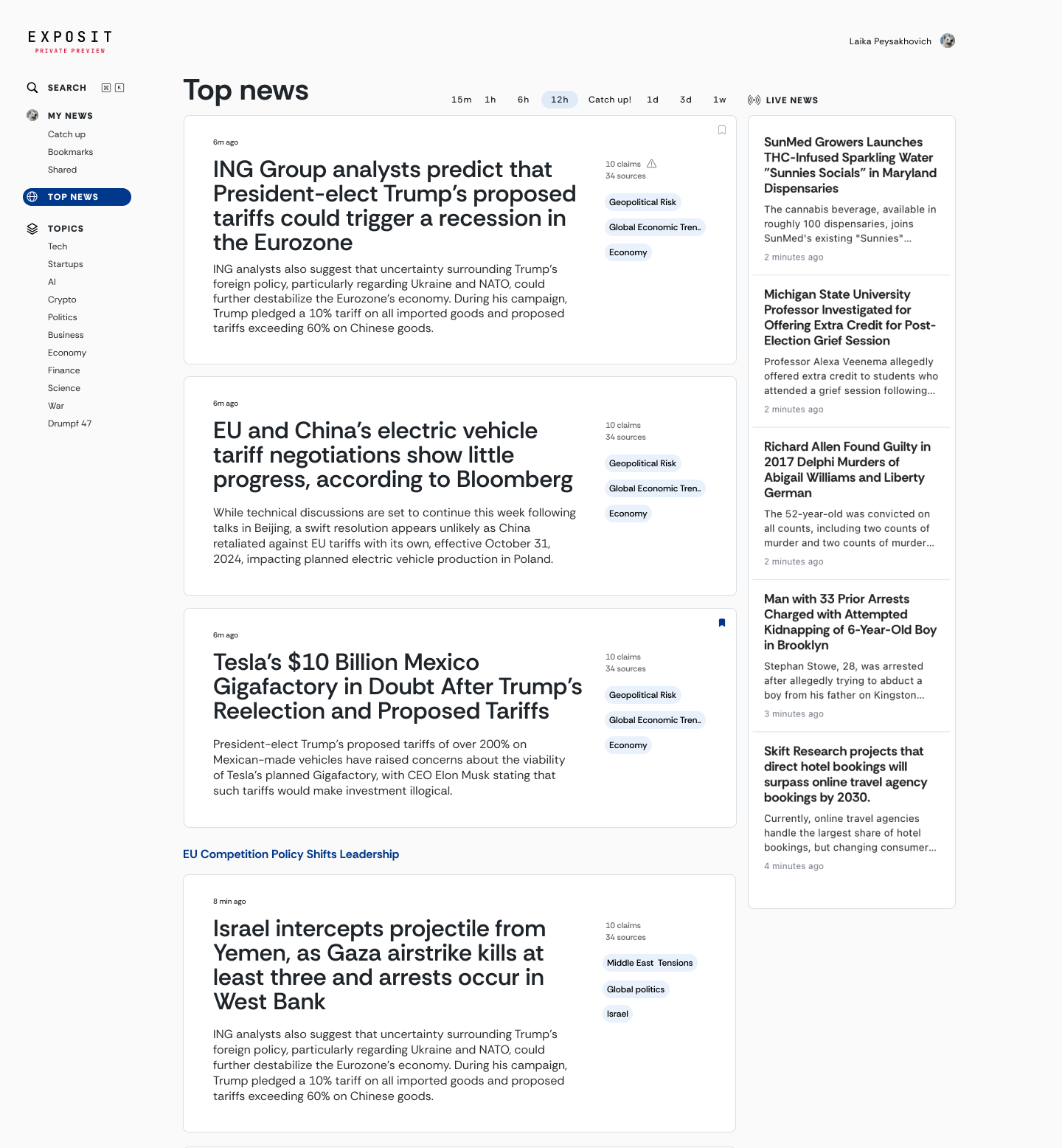
Skip the Tools make the outcomes (LukeW)
It reframes what belongs in an interface at all: if an agent can generate the outcome on request, the UI you design might just become the request mechanism.

Building great products when prototyping gets fast
It names the trap directly: fast AI prototyping creates false confidence, so the differentiator becomes your ability to explore directions and commit, not speed.
Figma Motionfour tricks from production files
Watching working files shows concretely how to keep motion systems consistent while using AI to speed up iteration, rather than just talking about it abstractly.
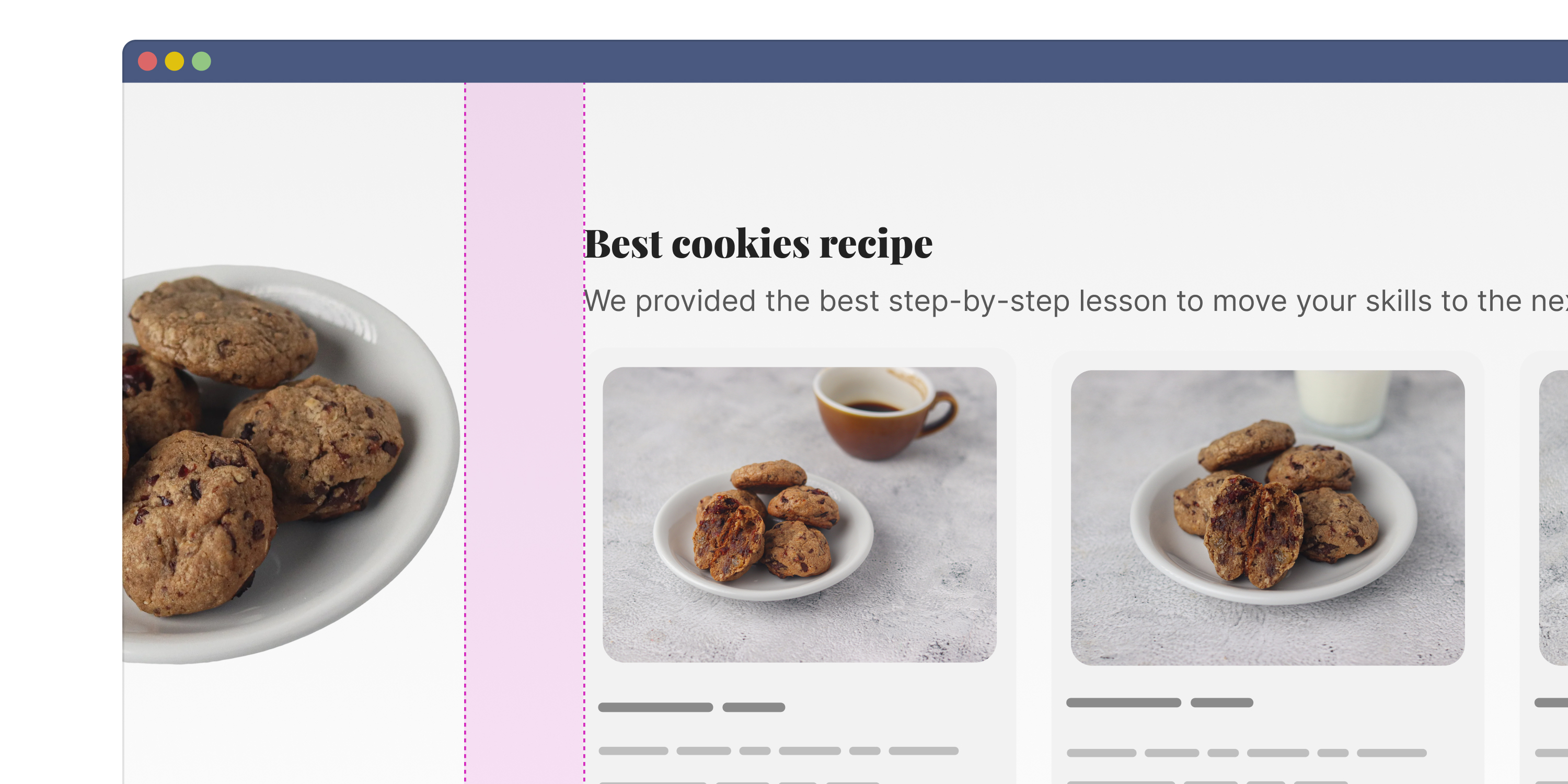
CSS collision detection using scroll-driven animations and anchor positioning
This gives you a way to replace brittle breakpoint logic with actual spatial collision detection, which is a cleaner mental model for responsive layout work.
Paul Bakaus built a boss fight into his website
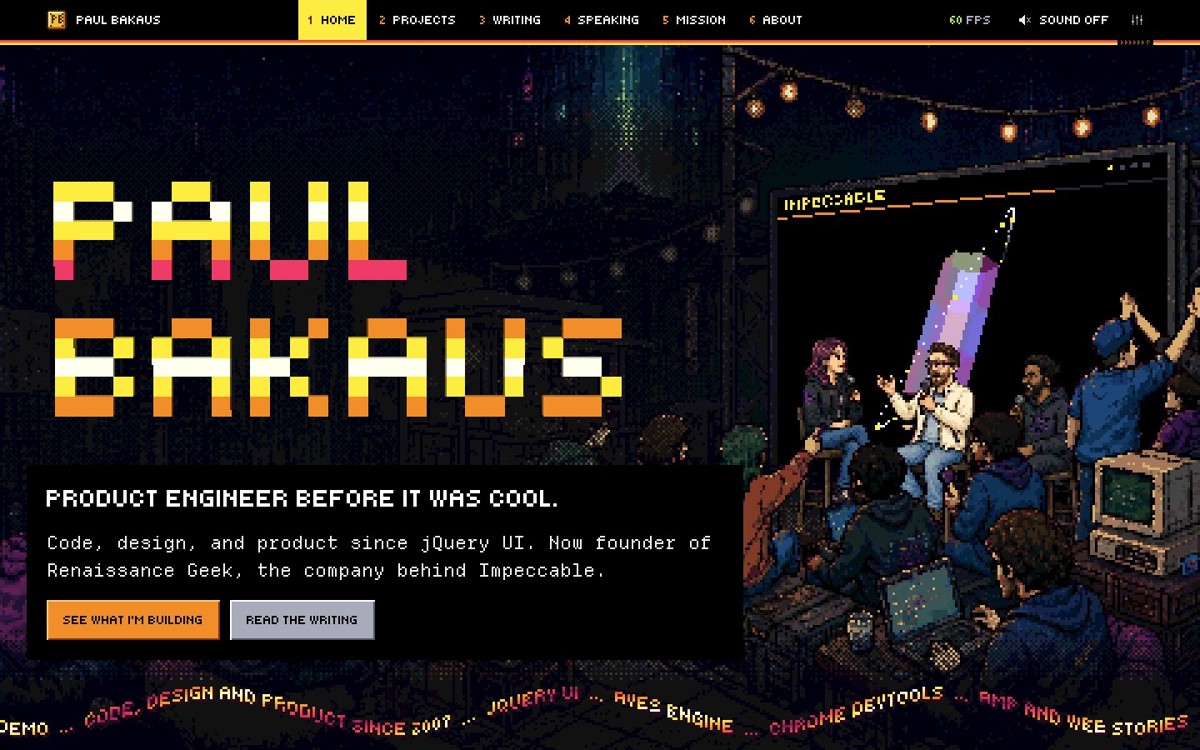
It's a working example of how far AI-assisted solo building can push craft and ambition beyond typical portfolio minimalism.
Entry-level design work is how craft gets built, and AI is erasing it
If you mentor or hire junior designers, this names a real risk: the rote tasks that quietly built judgment are exactly what AI is removing first.

Brand character compounds from what you repeatedly do, not what you say
It's a clean argument for why consistency in what you actually ship, not stated positioning, is what builds trust in an independent practice.
Code as source of truth in design engineering
This directly challenges the design-to-dev handoff workflow you rely on, suggesting the sync-and-rot cycle disappears once code is the reviewable artifact.
Open one current Figma file and sketch what the same component would look like prototyped directly in code with an AI assistant, then note where the sync friction actually was.