Generative UI how to avoid zombie interfaces as AI makes building easier
Gives you language for the exact tension you already manage when handing AI-generated screens to clients: speed without intent produces work you wouldn't sign your name to.
Design conformity why SaaS products look the same
Names the four conventions quietly flattening most SaaS interfaces, so you can point to specifically which one to break on your next system audit.

Strategic design becomes more valuable as execution time compresses
Reframes what you charge for as AI absorbs production work, which should shape how you scope and price the next strategy engagement.
Headless AIshifts product interfaces from user-facing to agent contracts
If agents are already reading your product's responses as an API contract, your error states and copy need a second audience you've probably never designed for.
Innovation as Reduction why chasing novelty often serves you worse than solving clearly
Torres and Wille's passwords-to-passkeys example gives you a concrete counter-argument the next time a client conflates novelty with innovation.
Vision models for richer icon search and discovery
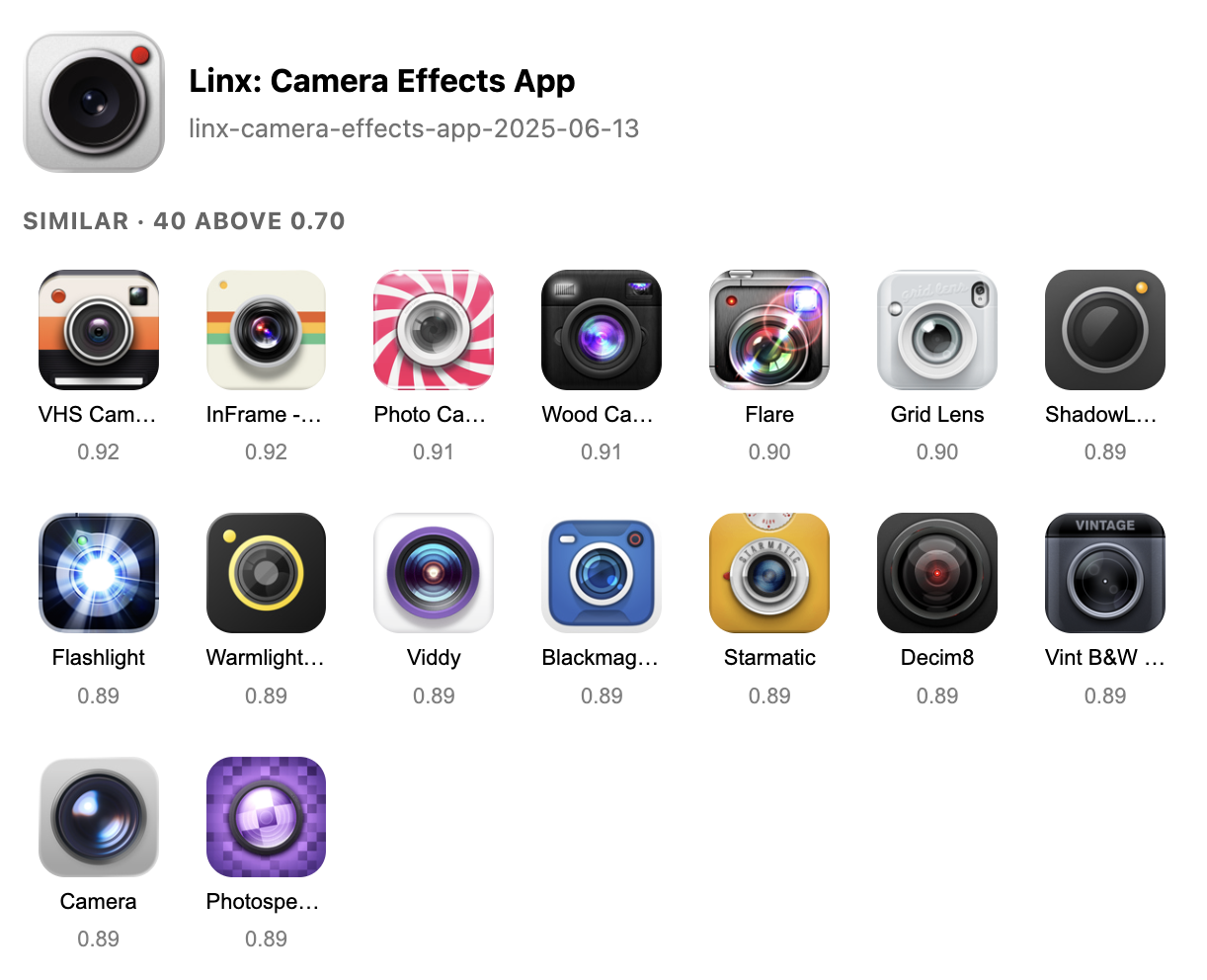
Nielsen's local-only CLIP pipeline is a concrete pattern to lift for any image-heavy client project where manual tagging is the bottleneck.
Accessibility overlays fail their own accessibility tests
Roselli's video evidence against accessibility overlays is worth having ready the next time a client proposes one as a shortcut.
Simon Willison's 2026 LLM rundown key developments in language models this year
A grounded year-in-review of what actually shipped in LLMs helps you separate real capability jumps from noise before recommending tools to clients.

Turion Space rebrand escapes space-company clichés
A concrete case of a brand outgrowing its own visual clichés is a useful reference when a client's identity no longer matches their expanded scope.
Generative UI how to avoid zombie interfaces as AI makes building easier
Gives you language for the exact tension you already manage when handing AI-generated screens to clients: speed without intent produces work you wouldn't sign your name to.
Pick one screen you shipped this quarter and list which of its layout, type, and interaction choices came from a default versus a decision — then change one on purpose.