Agent interfaces need many views, not one dashboard
Treating agent coordination as a viewport problem rather than a chat problem gives you a concrete design brief: build the diagrams and side-by-side comparisons that let people supervise without reading logs.
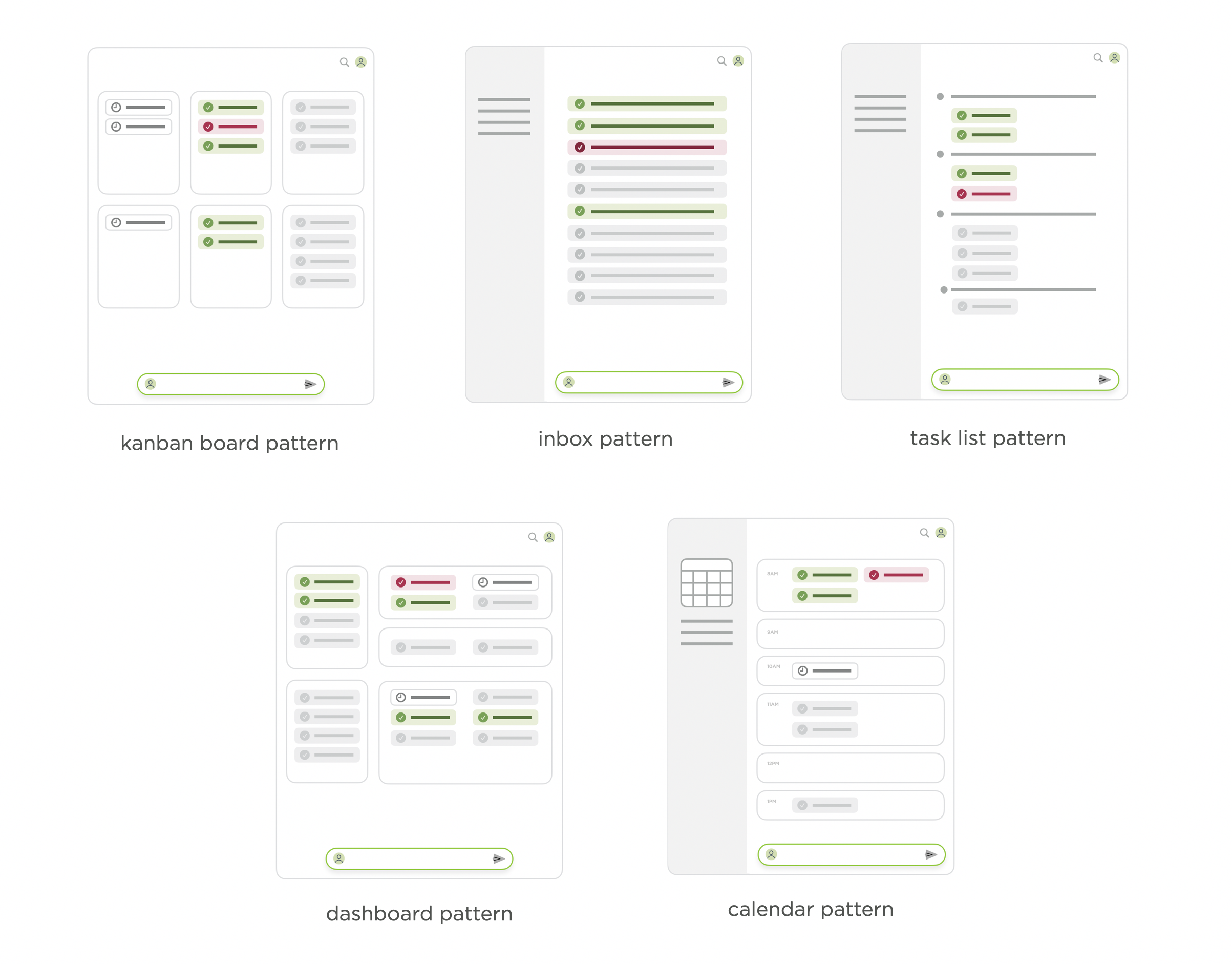
Cowork's architecture moves from local to cloud inference, solving battery and continuity
Once inference and sandboxing live in the cloud, long-running agent tasks survive a closed laptop, which changes what you can promise a user about work continuing unattended.
CSS anchor devtools land in Chrome
Native anchor positioning in dev tools means you can finally debug tooltip and popover reflow without a JS library, straight in Chrome Canary.
Jevworks best as a decision engine, not a chatbot
Seeing Jev used as a near-free structured-decision engine rather than a chatbot opens routing and classification use cases you'd otherwise dismiss as too costly.

The taste paradox we say it matters while building it out
The argument that de-risked tooling suppresses taste development is a useful check on how much you let AI curation replace your own judgment calls.
The tech industry's usability failure
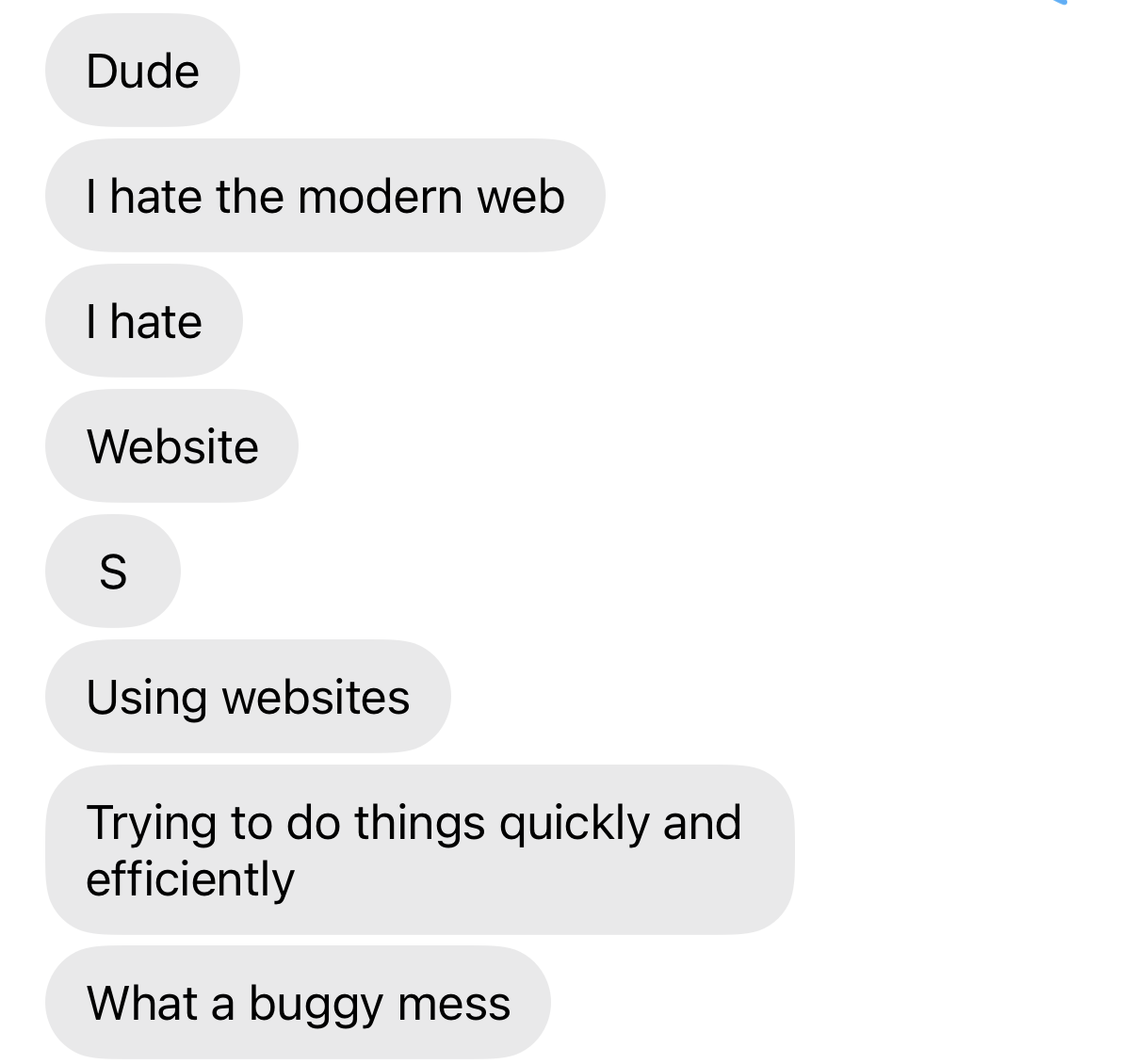
Jim Nielsen's frustration with basic usability failures is a blunt rubric for auditing where your own product still confuses people who aren't technical.
Scroll-Driven Animations transfer child count to parent CSS
This sibling-count() workaround via scroll-driven animations lets you build child-count-aware layouts without JavaScript, at least in Chromium browsers today.
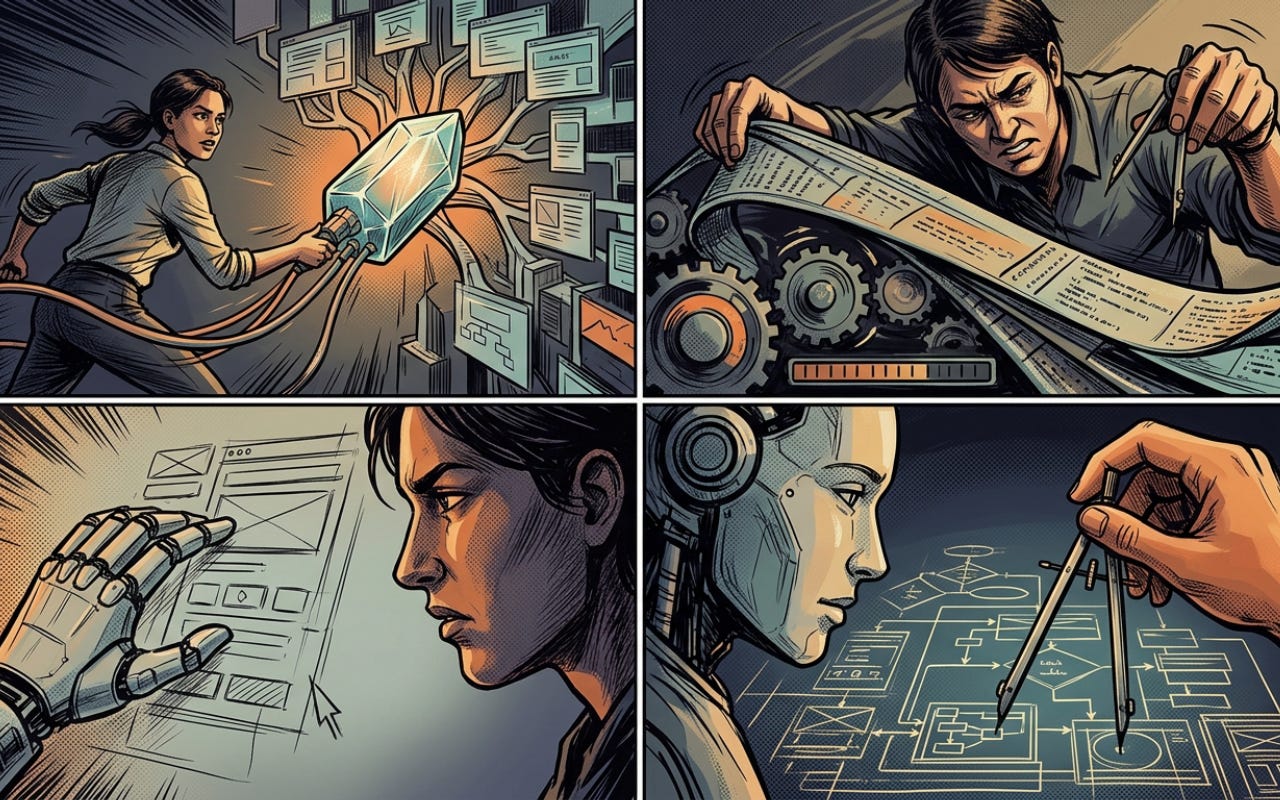
AI design workflows latency, protocols, and ownership
The framing of slow AI responses as a design-owned latency problem, not an infra constraint, gives you language to push back when engineering treats it as out of scope.

Xsolla identity makes gaming infrastructure language visible through UI
Pentagram's approach of pulling identity from the domain's own native visual language, rather than imposing an external brand system, is a transferable method for products that span many technical surfaces.

Operator-creators keeping one foot in day jobs to stay credible
If you run an independent practice alongside client work, this gives you a framing to position that dual focus as credibility rather than a distraction when pitching.
Agent interfaces need many views, not one dashboard
Treating agent coordination as a viewport problem rather than a chat problem gives you a concrete design brief: build the diagrams and side-by-side comparisons that let people supervise without reading logs.
Sketch one alternative view (a diagram, a diff, a timeline) for a workflow you currently expose only as a chat log, and compare how much faster you'd spot a wrong decision.