AI design-to-code how to make agents respect your design system and verify results
This gives you a concrete pattern for constraining AI code generation to respect your design system's tokens and components instead of inventing new ones.

Tesler's Law complexity moved, not removed, when AI takes the interface
Reframing AI tooling pitches around who bears complexity—not whether it disappears—gives you sharper language for client conversations about scope and evaluation work.

Chat is the command line not the end state
If you treat chat as a ceiling rather than a foundation, you'll start designing agent interfaces with direct-manipulation and spatial modes alongside conversation.
Figma Motionnative animation components and reusable motion toolkits
Reusable, parameterized motion components could replace the ad-hoc animation requests that slow down your design system work.
Modernization treadmill why rebuilding in new frameworks often makes websites worse for actual users
This gives you a lens to audit whether your framework and tooling choices actually serve the connections and devices your users have, or just your own build preferences.
DNS rebinding exposes local MCP servers even when bound to 127.0.0.1
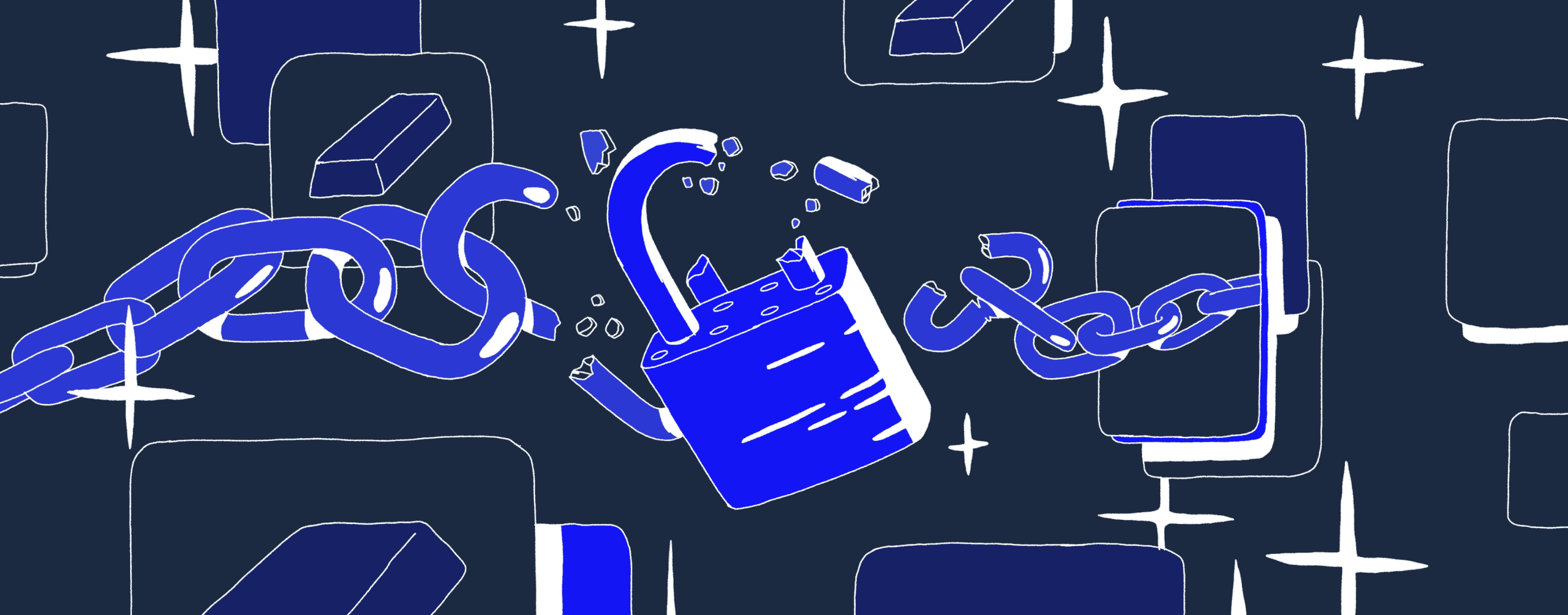
If you're running or debugging local MCP servers, this shows you need authentication even on loopback because DNS rebinding bypasses the localhost-is-private assumption.
<calc-input> a custom element for formula-based numeric fields
Showing the formula alongside the result while editing is a small, elegant interaction pattern worth stealing for any numeric-heavy form you design.
Digital money as files using Finder, email, AirDrop
Lightspark's choice to model money as a file using Finder and AirDrop shows how constraining a product to existing system metaphors can beat building custom UI from scratch.
Agents need docs not memory
If agents parse structured docs better than chat history, the way you write and organize project documentation becomes part of your agent UX design, not just internal reference.

Bullet Time! an animated short that rewards obsessive craft
Watching how obsessive per-frame detail builds something compelling without narrative complexity is a useful reminder of what restraint and craft can carry on their own.
AI design-to-code how to make agents respect your design system and verify results
This gives you a concrete pattern for constraining AI code generation to respect your design system's tokens and components instead of inventing new ones.
Pick one AI feature you've shipped or are prototyping and ask whether a button or direct-manipulation control would beat the chat box you defaulted to.