Meta's Muse agent designs conversation, not command interfaces
Cornell's progressive-disclosure framework for mixed-expertise users gives you a concrete pattern to steal for any agent interface you're structuring right now.


Ben Ganz shares the references behind his visual identity
Watching Ganz walk through his actual reference objects shows how a disciplined visual practice gets built from unlikely sources rather than mood-board scrolling.

Predictability vs Outcomes why the real trade-off matters for product teams
Naming predictability as the real competitor to outcomes gives you sharper language for the next roadmap conversation where a safe deliverable is winning by default.
AI mascotswork because humans project agency onto anything
This reframes mascots as a trust mechanism rather than decoration, which should change when you reach for a character versus a status indicator.
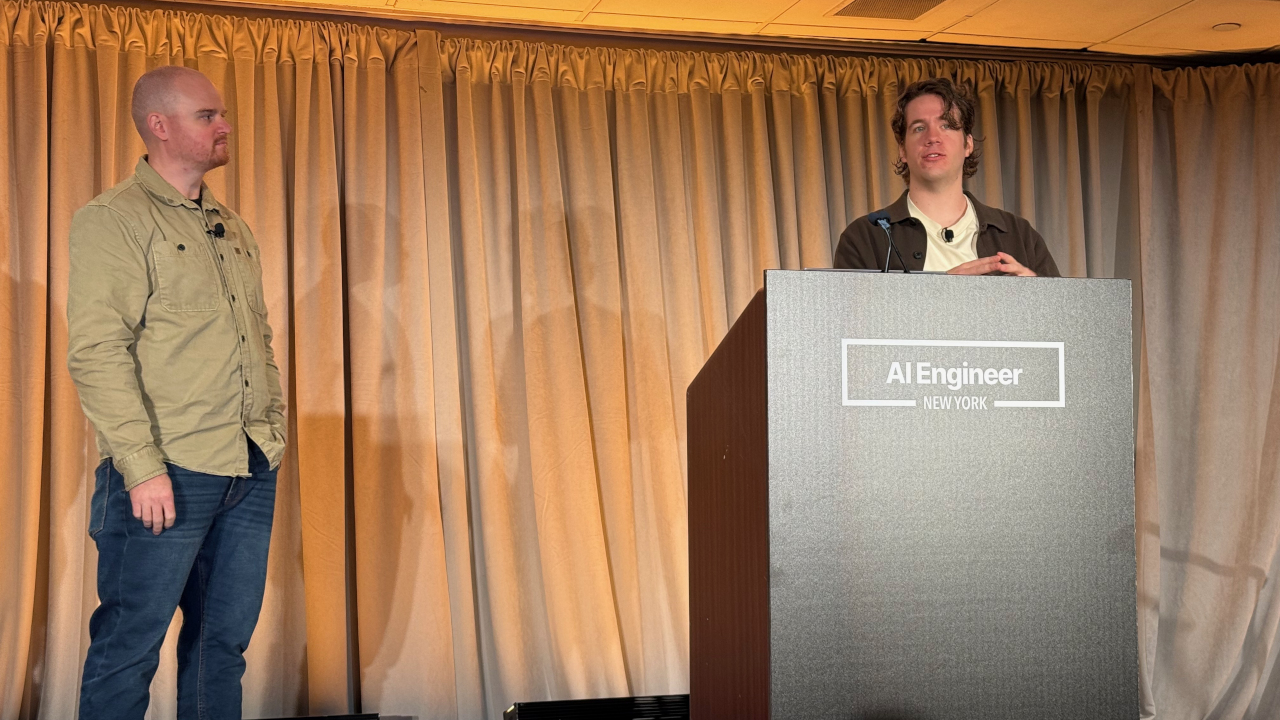
Anthropic's Dynamic Workflows coordinate Claude agents like OS kernels
Anthropic's operating-system framing for coordinating multiple agents is a concrete structural pattern if you're building anything beyond a single-agent workflow.
David Rudnick's Rocastle blackletter typeface rooted in archive, not trend

Rudnick's method of mining an archive instead of inventing forms is a usable discipline for any identity system you're asked to build from scratch.
Semantic structure now serves both humans and the bots that read them
If agent traffic is already reading your semantic HTML, accessibility audits you've been deprioritizing now double as findability work.
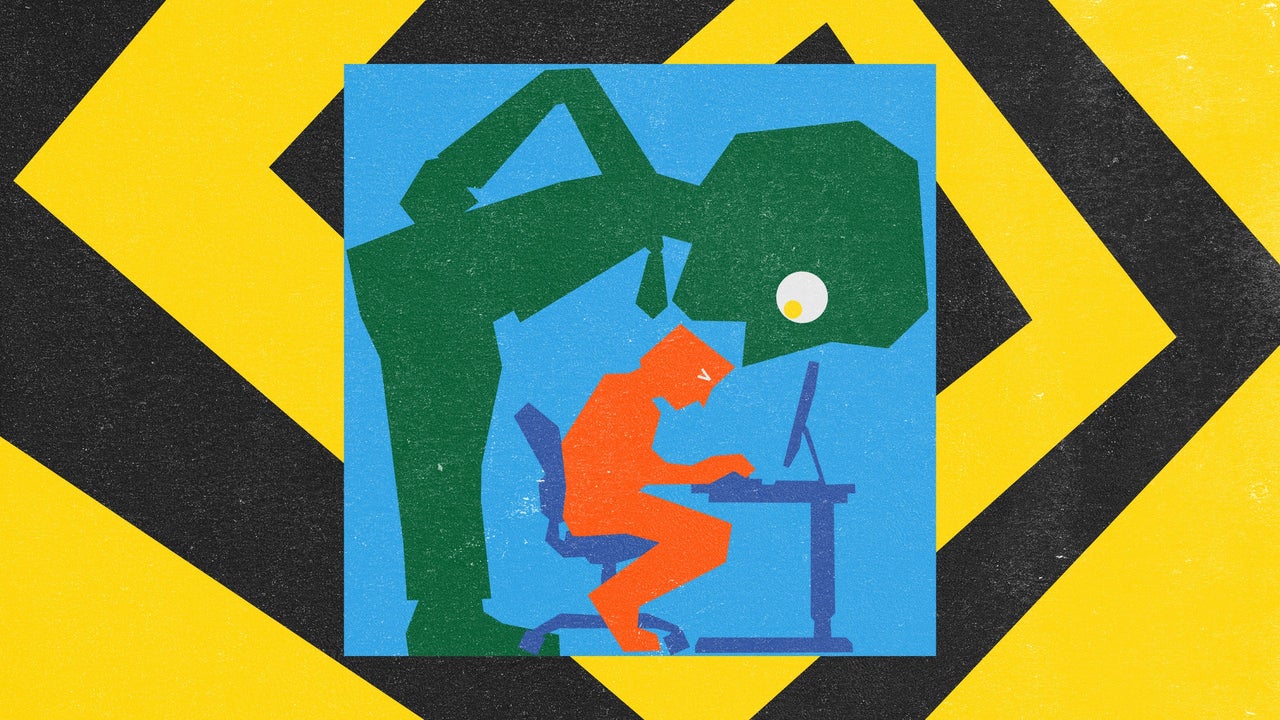
AI adoption is reframing designer roles as refinement work, not conception
This names a real market pressure plainly enough that you can use it to justify billing for strategy and judgment rather than production hours.
Meta's Muse agent designs conversation, not command interfaces
Cornell's progressive-disclosure framework for mixed-expertise users gives you a concrete pattern to steal for any agent interface you're structuring right now.
Pick one AI feature in your product and ask Cornell's question directly: how would this interaction work if you were talking to a person, and does the current UI get in the way of that.