Judgment over taste is what separates opinion from defensible design decisions
Next time you defend a design choice, frame it as judgment backed by evidence rather than taste backed by your eye, because only one of those can be taught or proven wrong.

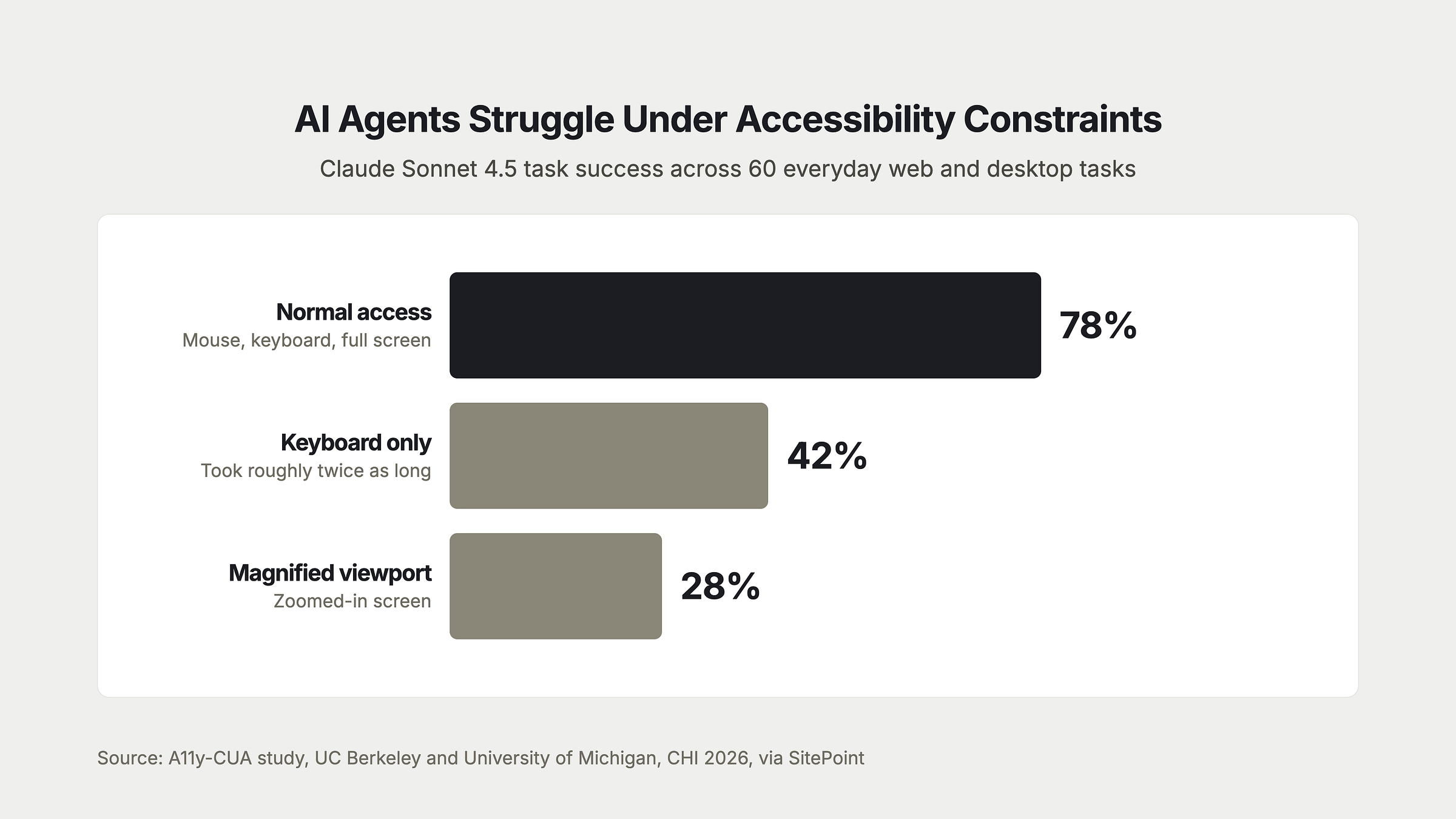
Agent accessibility your invisible majority now reads your code
With agents already outnumbering humans on some traffic, semantic HTML and ARIA stop being an accessibility nicety and become the actual interface your product presents to most of its users.

The DX7 lesson why preset convergence shapes aesthetic decades
The DX7 comparison is a sharp way to explain to a client why AI-generated competence converges on sameness, and why your value now sits in deciding what not to generate.
SSGOInative page transitions beyond View Transitions
SSGOI's rebuilds of YouTube Mobile and Google Photos give you a working reference for native-feeling page transitions that don't fight ViewTransitions' constraints.

Scion and Antique Anthropic's custom tools for AI-scale development infrastructure
Anthropic rebuilding Git and CI from scratch because AI agents write code 12x faster than humans is a concrete signal of what your own delivery pipeline may need to become.
The macOS Dock evolved from skeuomorphic to flat, one icon at a time
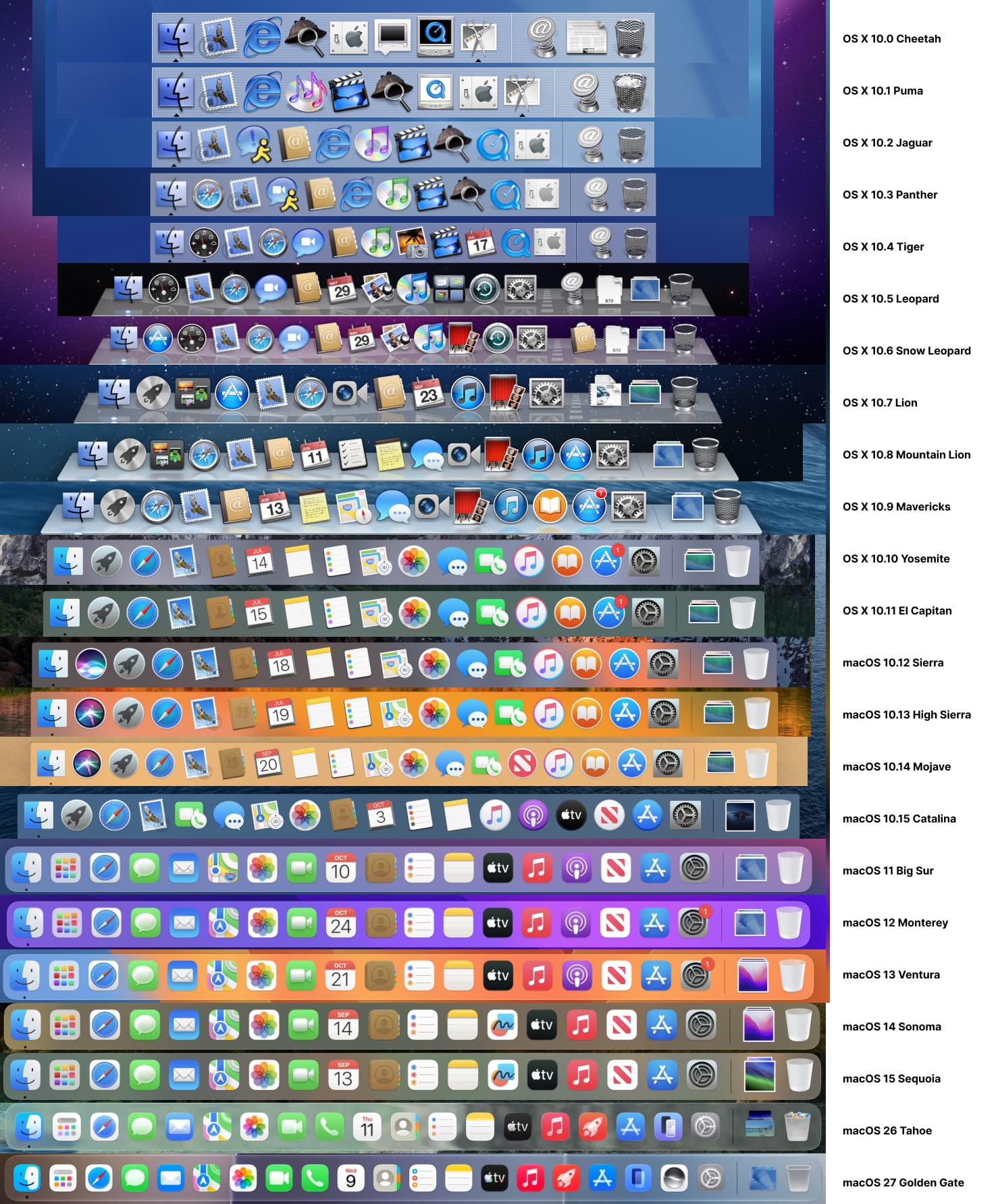
Watching the Dock's icon details shift across two decades is a quiet lesson in which interface choices age gracefully and which ones were just fashion.
Designing Muse for thinking agents and personal connection
Cornell's tiered status transparency and custom-avatar patterns are concrete building blocks you could lift directly into any agent interface you're designing.
Products frame reality so designers must know what worlds their interfaces invite
A useful discipline for any strategy conversation: treat the defaults you're baking into a product as a worldview you're choosing, not a neutral technical decision.
Judgment over taste is what separates opinion from defensible design decisions
Next time you defend a design choice, frame it as judgment backed by evidence rather than taste backed by your eye, because only one of those can be taught or proven wrong.
Pick one page you shipped recently and check it against the accessibility tree (browser dev tools, Accessibility panel) rather than the rendered view, then note what a non-visual reader would actually get.