Agentic UX patterns design systems haven't componentized yet
You can audit the design system you maintain against real production patterns instead of guessing what agent UX needs.
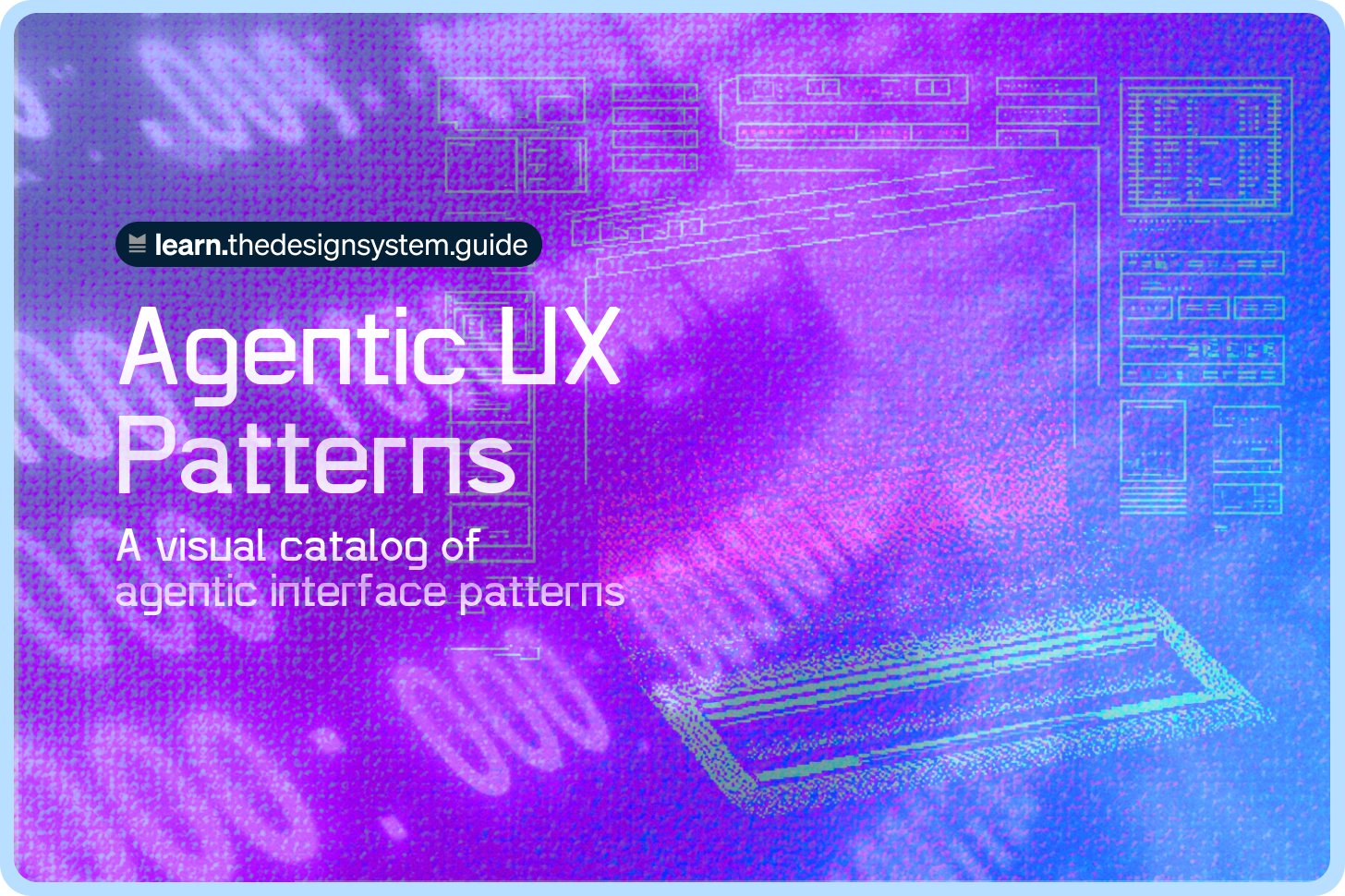

Agent accountability starts with reach, not clicks
It reframes accountability away from a confirm button and toward whoever sets how far an agent can reach, which changes what you design first.
Pure UI as a snapshot, not an event
Thinking in snapshots rather than events changes how you handle undo and readability when users arrive at states they didn't request.
Generative UIWhen the model decides the interface structure
Rendering component descriptions at runtime instead of wrapping static output opens a concrete path to context-aware interfaces you could prototype this week.
Claude Code review shifting from gate to continuous filter
Separating what a machine should catch from what needs human judgment gives you a cleaner way to restructure review in a delivery pipeline.
AI Product Pricing has become intentionally opaque, and users don't seem to care

If opaque pricing doesn't hurt growth, the SaaS instinct toward transparent packaging may not transfer to the AI products you're positioning.
Personal site as a shelf of cartridge labels, rebuilt with shaders for depth
Turning a portfolio into a collection of artifacts under a tight formal constraint is a reusable trick for making your own site feel less like a résumé.
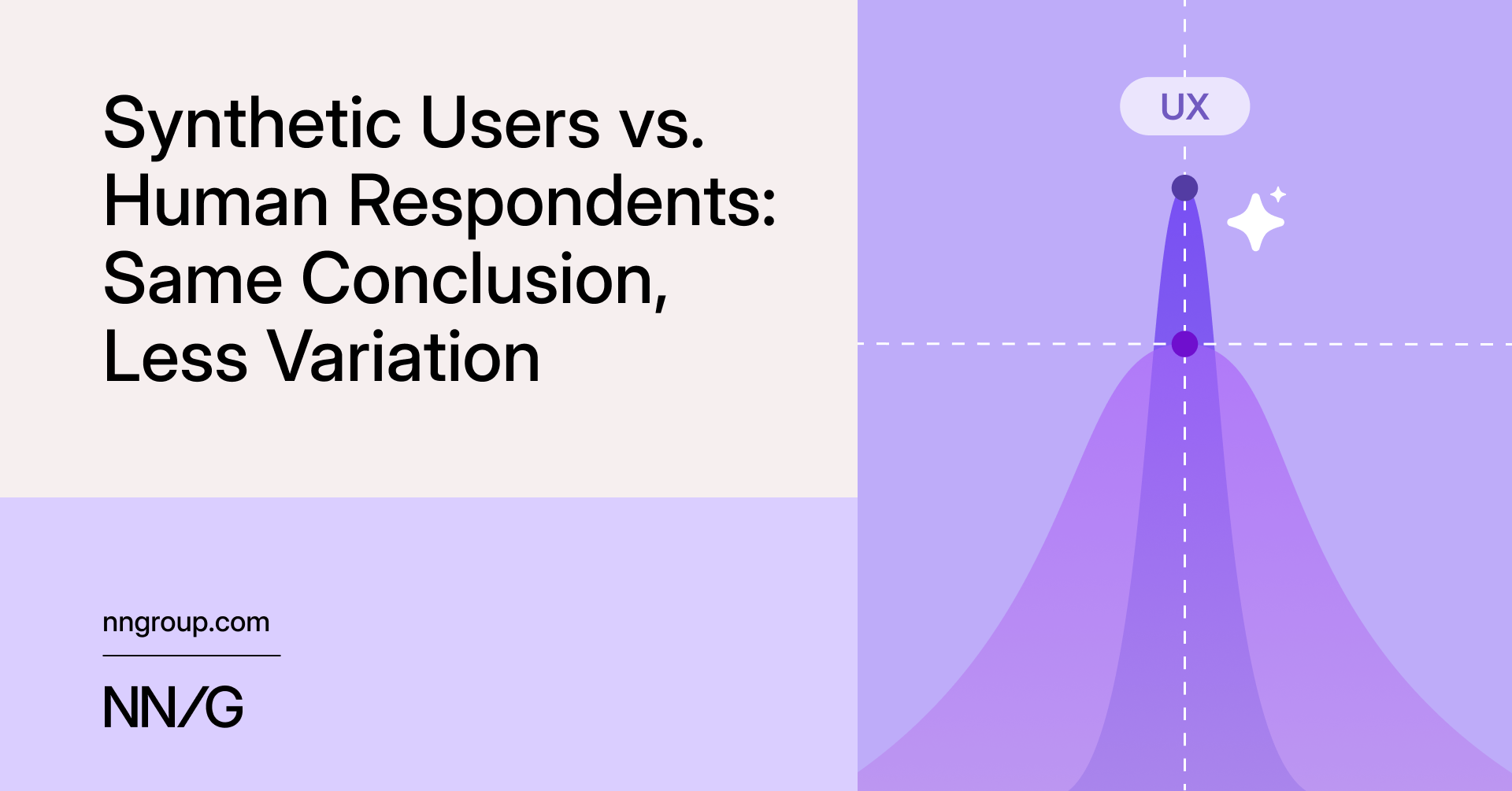
Synthetic Users match human conclusions but erase the messy diversity that often matters most
Synthetic respondents flatten variation, so if your research goal is finding edge cases rather than confirming a hunch, keep using real humans.
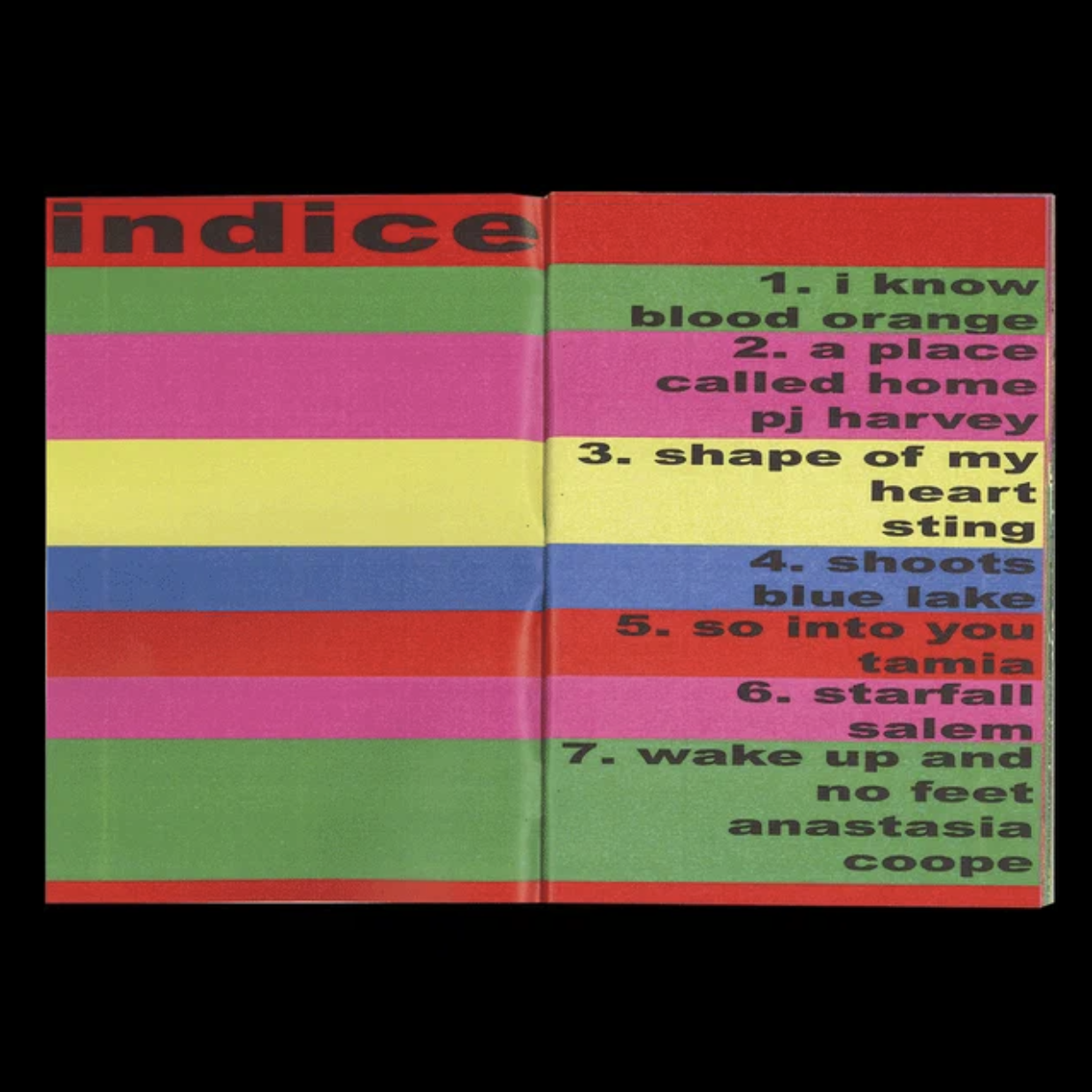
Núria Balinha makes one zine a week without thinking too hard
Her refusal to polish messaging is a useful counterweight when every brief pushes toward grid-locked restraint.
Agentic UX patterns design systems haven't componentized yet
You can audit the design system you maintain against real production patterns instead of guessing what agent UX needs.
Skim the 34 AI UX patterns list and flag which ones your current design system has zero coverage for.