Design velocity without feedback loops is just noise
Gives you language to tell a client that shipping faster isn't the fix when the real bottleneck is how slowly feedback gets integrated.

AI in UX Time saved, but practitioners remain skeptical
Hard numbers on practitioner ambivalence let you set realistic expectations with clients instead of either overselling or dismissing AI tools in a pitch.

AI Coding Agents Need architecture to avoid inconsistent patches
Explains why an agent you brief to fix one bug quietly leaves the same bug in a parallel code path, and what structure prevents it.
Apple Musicvisualizes sound as liquid ripples for its rebrand
A clean example of deriving a visual identity from a physical, measurable process rather than from moodboard instinct.

AI-Generated HTML needs real isolation, not just iframes
If your product renders AI-generated UI, this shows exactly where an iframe sandbox stops being a real security boundary.
Buy versus build is now also a UX decision
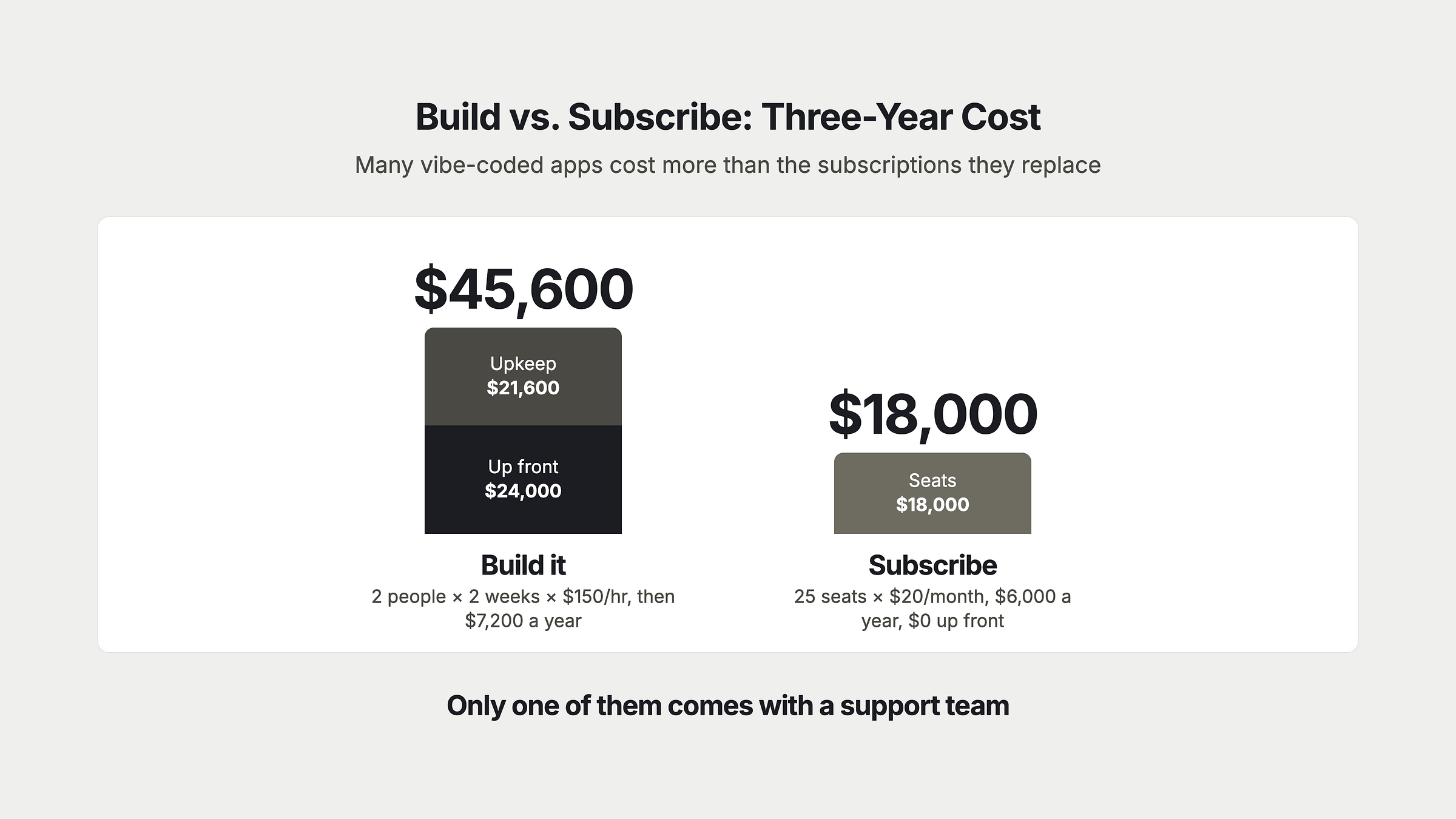
Gives you a concrete argument for why an internally-coded tool still needs design and maintenance budget, even when agents made it cheap to build.
Figma code layers moves into open beta for prototyping on canvas
Code layers in open beta let you prototype real interactions on the canvas instead of describing them to engineering and hoping.

Lightbulb Computer projects information into rooms instead of onto faces
A useful provocation for thinking past screens when a client's problem is really about ambient attention in a physical space.

Atomic Design works backwards from the screen, not just up from atoms
A sharp prompt for your next design system audit: are you forcing existing components onto user flows, or building from what the screen actually needs.
Design velocity without feedback loops is just noise
Gives you language to tell a client that shipping faster isn't the fix when the real bottleneck is how slowly feedback gets integrated.
Pick one component in your design system and write down its contract (inputs, states, what "correct" looks like) the way you'd brief an agent — then notice how much of that was previously implicit.