Agent capability stops at task completion, not business outcomes
It reframes the real design-system work ahead: encoding the undocumented judgment calls, not just the component API.
Coding agents need decision-making autonomy, not just task completion
A concrete account of where autonomous workflows actually break shows you what to design for before you hand off real work to agents.

Design systems made agent-ready through documentation and structure
A practical checklist for structuring component naming and documentation so agent-generated output stays on-brand instead of drifting.
James McDonaldbuilding and designing web interfaces with Claude
A working designer's actual split between Figma and code-generation for finding visual direction is more useful than another AI trend piece.
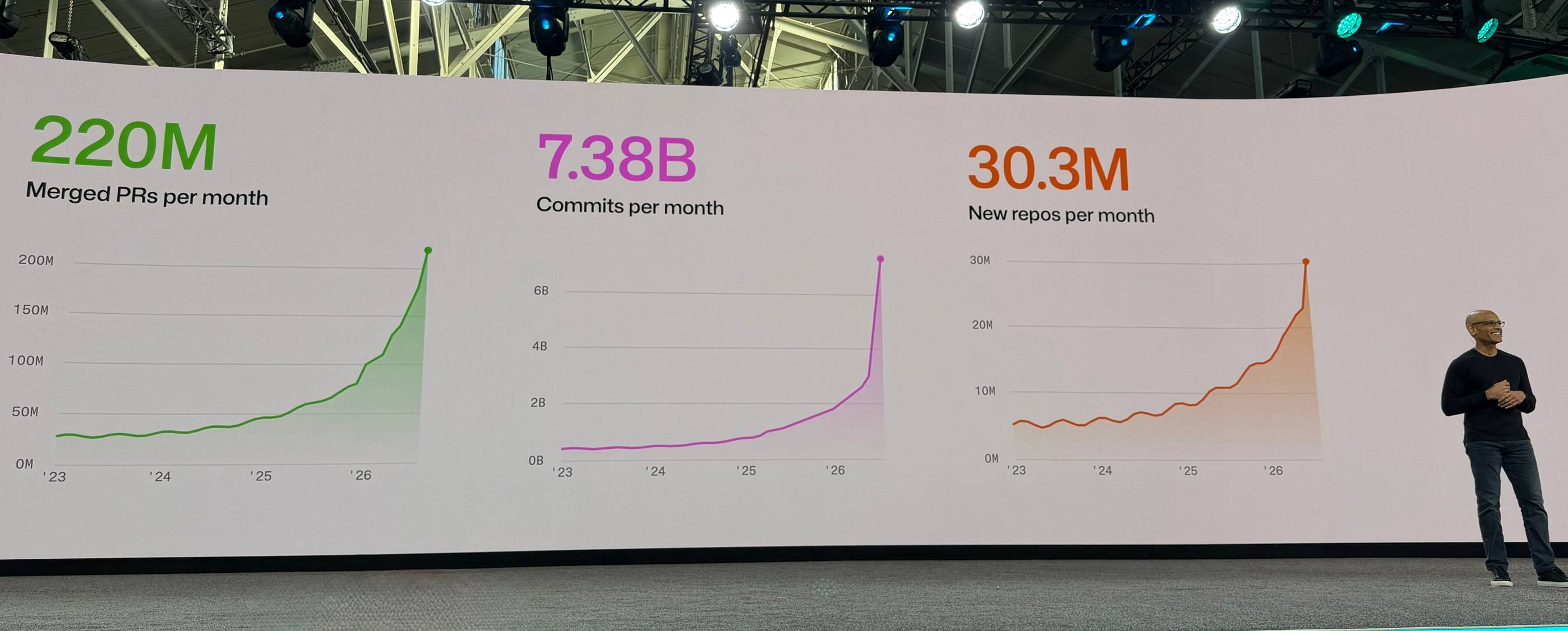
GitHub Octoverse 2026 tripling in PRs and commits from agentic engineering
Hard numbers on agentic engineering's growth give you a sense of scale rather than anecdote when deciding how much to invest.
AI evals aren't new but teams still measure the wrong thing

Torres and Wille's point that most teams eval AI on technical performance instead of customer value is a direct challenge to how you'd judge any AI feature you ship.
Span rebuilds Illinois rights agency identity through protest design language
Span's use of protest typography for a government identity is a sharp example of borrowing visual history to make bureaucracy feel urgent rather than neutral.
Niklas Roy's trash-powered clock invents a new time scale
A mechanical clock built from scrap and a new time scale is a clean reminder that constraint can produce rigor as easily as it produces compromise.
Agent capability stops at task completion, not business outcomes
It reframes the real design-system work ahead: encoding the undocumented judgment calls, not just the component API.
Pick one component in your design system and write down the three decisions a junior designer would need explained to use it correctly — that's the documentation an agent needs too.