Software factory needs design as a first-class workflow step
It gives you language to argue that code generation speed doesn't shrink the design decision work, which is useful the next time a client assumes agents can skip the gate.
Figma's design agent learns from iterative edits, not from-scratch creation
Figma training an editing model on how designers actually make small iterative changes, rather than generating from scratch, tells you what kind of AI assistance is coming to the tool you already work in.
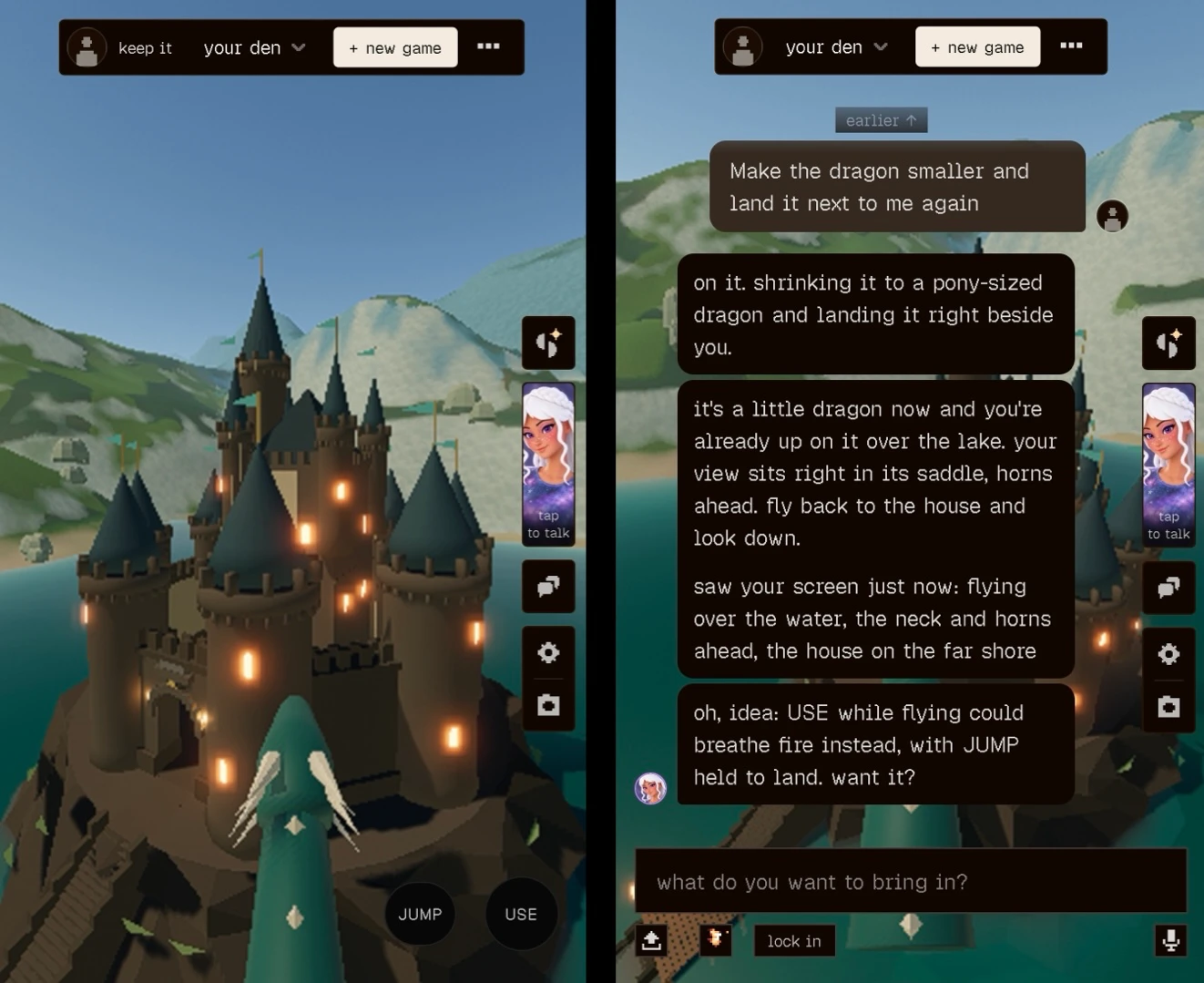
Spawn's autonomous agents ship production code every hour with AI-driven feedback
A concrete account of agents shipping to production hourly on a $3M token budget shows what a fully closed feedback loop looks like when nobody is gating it with human review.
Air Thereminplays music through hand and device motion capture
It's a small, well-made example of turning ambiguous sensor input into gestures that feel obvious, worth a close look for how it handles the mapping.

Undo in AI products lets users inspect what changed and reverse what they didn't want
A sharp, concrete rule for any AI feature you ship: if changes aren't visible and reversible, people stop trying the feature at all.
Supabase agents choose it because it removes repetitive friction, not because it's fast

If you're building your own apps with agents in the loop, this reframes backend choice around what reduces friction on the hundredth run, not the first one.
Studio Atipus's wine label uses motion-blur concept to anchor a minimal design
One literal idea, pushed through motion and restraint rather than decoration, is a clean model for how a single constraint can carry an entire identity.

A2 Type builds Louisiana Museum's typographic system from its own archive
Watching a typographic brief grow from one serif face into a full four-font system grounded in a building's archives is a useful reference for scoping institutional identity work.
Software factory needs design as a first-class workflow step
It gives you language to argue that code generation speed doesn't shrink the design decision work, which is useful the next time a client assumes agents can skip the gate.
Open the Air Theremin for five minutes and pay attention to exactly how it maps hand position to pitch and volume without a single instruction.